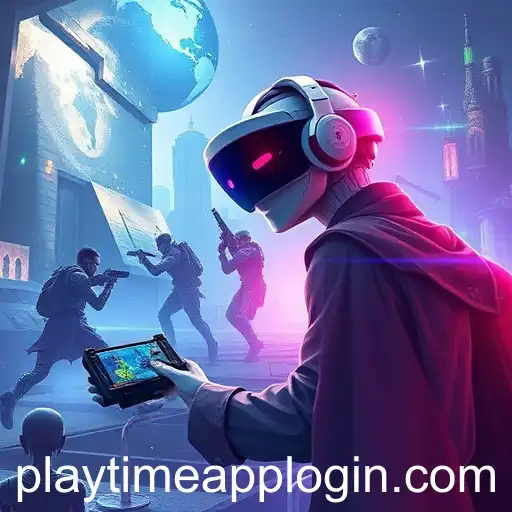
The Digital Renaissance of Playtime
Exploring the impact of technological advancements on the world of digital gaming and how 'Playtime' is reshaping leisure activities in 2025.


In recent years, the gaming industry has significantly transformed, redefining the concept of playtime for millions worldwide. As we venture into the year 2025, it's clear that gaming is not just about play; it's about innovation, connectivity, and immersion.
The advent of technologies such as virtual reality (VR) and augmented reality (AR) has opened new realms of possibilities for gamers. These technologies have enabled a more immersive playtime experience, where players are no longer just passive participants but active explorers in digitally crafted worlds. Companies are investing heavily in these areas, understanding that the future of gaming hinges on their ability to create diverse and engaging experiences.
Moreover, the lines between gaming and social interaction continue to blur. Platforms like Twitch and Discord have facilitated a communal playtime environment, where players can share their experiences in real time. This social aspect has become crucial as it transforms gaming into a more inclusive activity, fostering communities that transcend geographical boundaries.
The rise of mobile gaming has also redefined playtime, making games more accessible than ever. With 5G technology becoming more prevalent, mobile games have gained fidelity and seamless connectivity, encouraging developers to push the limits of what can be achieved on hand-held devices.
Furthermore, the industry is witnessing a shift towards creating games that are not only entertaining but also educational and beneficial for mental health. Game developers are increasingly prioritizing content that promotes cognitive development and mental well-being, acknowledging a growing demand for "meaningful playtime." These dynamics illustrate a market trend where parents and educators endorse gaming as a constructive activity.
To keep up with these changes, educational institutions are incorporating game design and development courses, preparing the next generation to further push the boundaries of what's possible in gaming. These programs highlight the growing recognition of gaming as a serious discipline and a critical component of the digital era.
As gaming continues to evolve, the definition of playtime is set to shift accordingly. We are entering a new epoch where playtime is not confined to traditional constructs but expanded through innovation and technology. This ongoing evolution promises to deliver increasingly sophisticated and inclusive experiences, heralding a bright future for the industry.

If you're looking for a reliable, fully licensed, and secure sportsbook with a wide selection of games, playtime is the perfect choice. We're committed to providing you with the best online betting experience, with premium quality, excellent service, and continuous innovation. Sign up now and receive ₱777 for free!
Join now
Get the latest information, experience and betting strategies from the expert team at playtime.
Exploring the impact of technological advancements on the world of digital gaming and how 'Playtime' is reshaping leisure activities in 2025.

Exploring the current state of online gaming, its impact on communities, and the technological advancements shaping the future.

An exploration of the latest trends in the gaming world and the rise of interactive experiences.

Exploring the advancements and trends in the online gaming industry in 2025.

Exploring how online gaming platforms have evolved, impacting playtime and social interactions globally.

Explore the resurgence of digital playtime, its impact on modern gaming trends, and how technology is shaping the future of online entertainment.
 Join now